
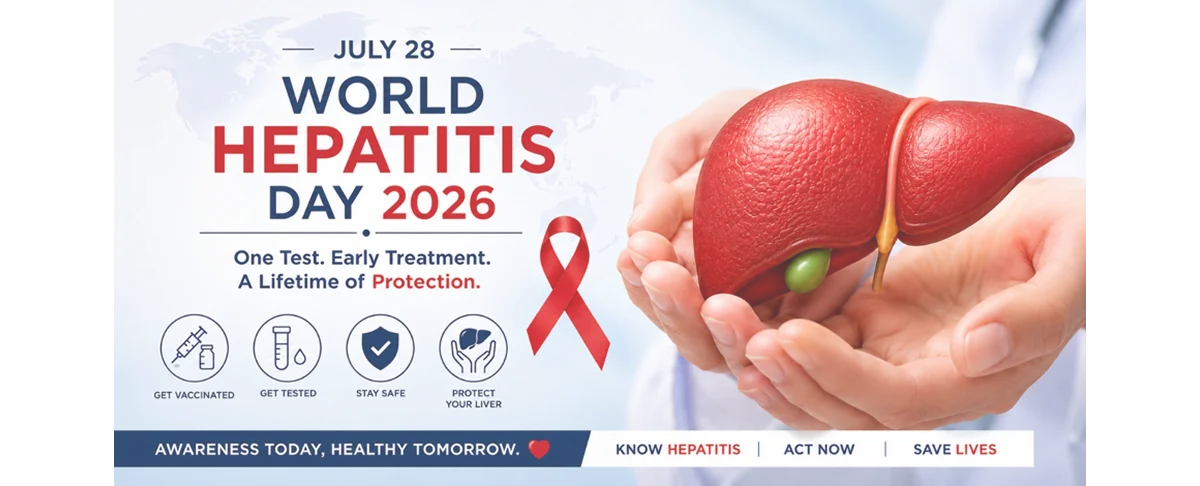

World Hepatitis Day 2026: ‘The Biggest Threat Is That Most People Don’t Know They Have It,’ Says Senior Delhi Physician
Every year on July 28, the world observes World Hepatitis Day, a global initiative to raise awareness about viral hepatitis—a disease that silently damages the liver and often remains undetected until it has caused serious harm. Despite major advances in vaccines and treatment, hepatitis continues to be a significant public health challenge, affecting millions worldwide.
According to the World Health Organization (WHO), nearly 304 million people are living with chronic hepatitis B or hepatitis C, and approximately 1.3 million people die each year from hepatitis-related liver disease, including cirrhosis and liver cancer. India also bears a considerable burden, with an estimated 35–40 million people living with chronic hepatitis B and 6–12 million with hepatitis C.
Speaking to our correspondent ahead of World Hepatitis Day, Dr. Tapas Kumar Koley, HOD & Consultant – Internal Medicine, says the biggest challenge is that viral hepatitis often progresses without any warning signs.
“The liver is one of the most hardworking organs in our body, but it doesn’t complain in the early stages of disease. A person can carry hepatitis B or C for years without any symptoms while the virus silently damages the liver. By the time jaundice, abdominal swelling, or weight loss appears, significant liver damage may have already occurred,” says Dr. Koley.
He explains that hepatitis simply means inflammation of the liver. While hepatitis A and E are usually spread through contaminated food and water and often resolve on their own, hepatitis B and C are more concerning because they can become chronic infections, increasing the risk of liver cirrhosis and liver cancer if left untreated.
Dr. Koley believes one of the biggest misconceptions is that hepatitis only affects people with unhealthy lifestyles.
“I’ve seen patients who feel completely healthy and are shocked when a routine blood test reveals chronic hepatitis. That’s why regular health check-ups and timely screening are so important, especially for people with known risk factors,” he says.
He recommends screening for healthcare workers, pregnant women, people undergoing dialysis, those with a history of blood transfusions, family members of hepatitis B patients, and individuals with persistently abnormal liver function tests.
The good news, he says, is that medicine has made remarkable progress in the fight against hepatitis.
“Today, hepatitis C can be cured in more than 95% of cases with modern antiviral medicines. While hepatitis B cannot always be cured, it can be effectively controlled, significantly reducing the chances of liver failure and liver cancer. The earlier we diagnose the infection, the better the outcome,” he explains.
Dr. Koley also stresses the importance of prevention. The hepatitis B vaccine offers excellent protection and is included in India’s routine immunisation programme. Maintaining safe injection practices, ensuring screened blood transfusions, practising safe sex, and avoiding the sharing of needles or personal grooming items such as razors can further reduce the risk of infection.
As the world works towards the WHO’s goal of eliminating viral hepatitis as a public health threat by 2030, Dr. Koley believes awareness remains the most powerful tool.
“People shouldn’t wait for symptoms before getting tested. A simple blood test can detect hepatitis early, long before irreversible liver damage develops. On this World Hepatitis Day, my message is simple—know your hepatitis status, get vaccinated if you’re eligible, and encourage your family members to do the same. Early diagnosis can save lives,” he says.
For a disease that often progresses in silence, awareness and timely action may be the most effective treatment of all.v

