
Stroke at a Young Age: Why Is It Happening?

BY: Dr Varun Kataria Senior Consultant
Neurosciences, Medanta Hospital, Indore
When we hear the word stroke, we often think of an older person. But stroke is not only a problem of old age. Younger adults can also experience a stroke, sometimes without expecting it. Changing lifestyles, increasing health problems and certain medical conditions can all contribute to the risk.
A stroke happens when blood flow to part of the brain is interrupted or when a blood vessel in the brain bleeds. Without enough oxygen and nutrients, brain cells can become damaged. The sooner a stroke is recognized and treated, the better the chances of limiting brain damage.
Why Can Stroke Happen at a Younger Age?
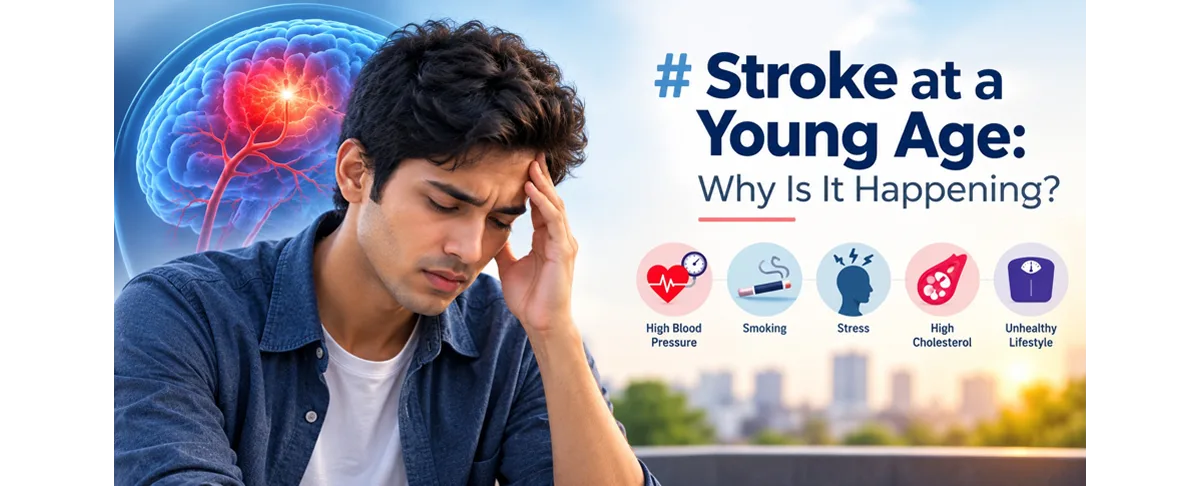
One major concern is the rise of lifestyle-related risk factors. Long working hours, physical inactivity, unhealthy eating habits, smoking, excessive alcohol consumption, obesity and chronic stress can contribute to conditions that increase stroke risk.
High blood pressure is particularly important. It can develop without obvious symptoms and, when uncontrolled over time, can damage blood vessels and increase the risk of stroke.
Diabetes and high cholesterol can also affect blood vessels and contribute to problems with blood circulation. Younger people may overlook these conditions because they feel healthy, allowing them to remain undetected or poorly controlled.
Smoking is another important risk factor. It can damage blood vessels and increase the likelihood of blood clots. Similarly, prolonged inactivity and excess weight can contribute to several cardiovascular risk factors.
Medical Conditions Can Also Play a Role
Not every stroke in a young person is caused by lifestyle. Certain medical conditions can increase the risk, including heart rhythm problems, some heart diseases, blood-clotting disorders and abnormalities of blood vessels in the brain or neck. In some young patients, the exact cause may not be immediately identified and requires detailed medical evaluation.
Know the Warning Signs
Age should never be a reason to ignore sudden neurological symptoms. Watch for sudden weakness or numbness of the face, arm or leg, difficulty speaking or understanding speech, sudden vision problems, severe dizziness, loss of balance or a sudden severe headache.
If these symptoms appear suddenly, treat them as an emergency and seek immediate medical care. Do not wait to see whether they disappear.
Prevention Starts Early
You do not have to wait until middle age to start protecting your brain and blood vessels. Regular physical activity, a balanced diet, maintaining a healthy weight, avoiding tobacco,
limiting alcohol and keeping blood pressure, blood sugar and cholesterol under control can all contribute to better cardiovascular health.
On this World Stroke Day, let’s remember that strokes have no fixed age.
Knowing the risk factors, recognizing warning signs and seeking urgent medical attention can make a critical difference—at any age.