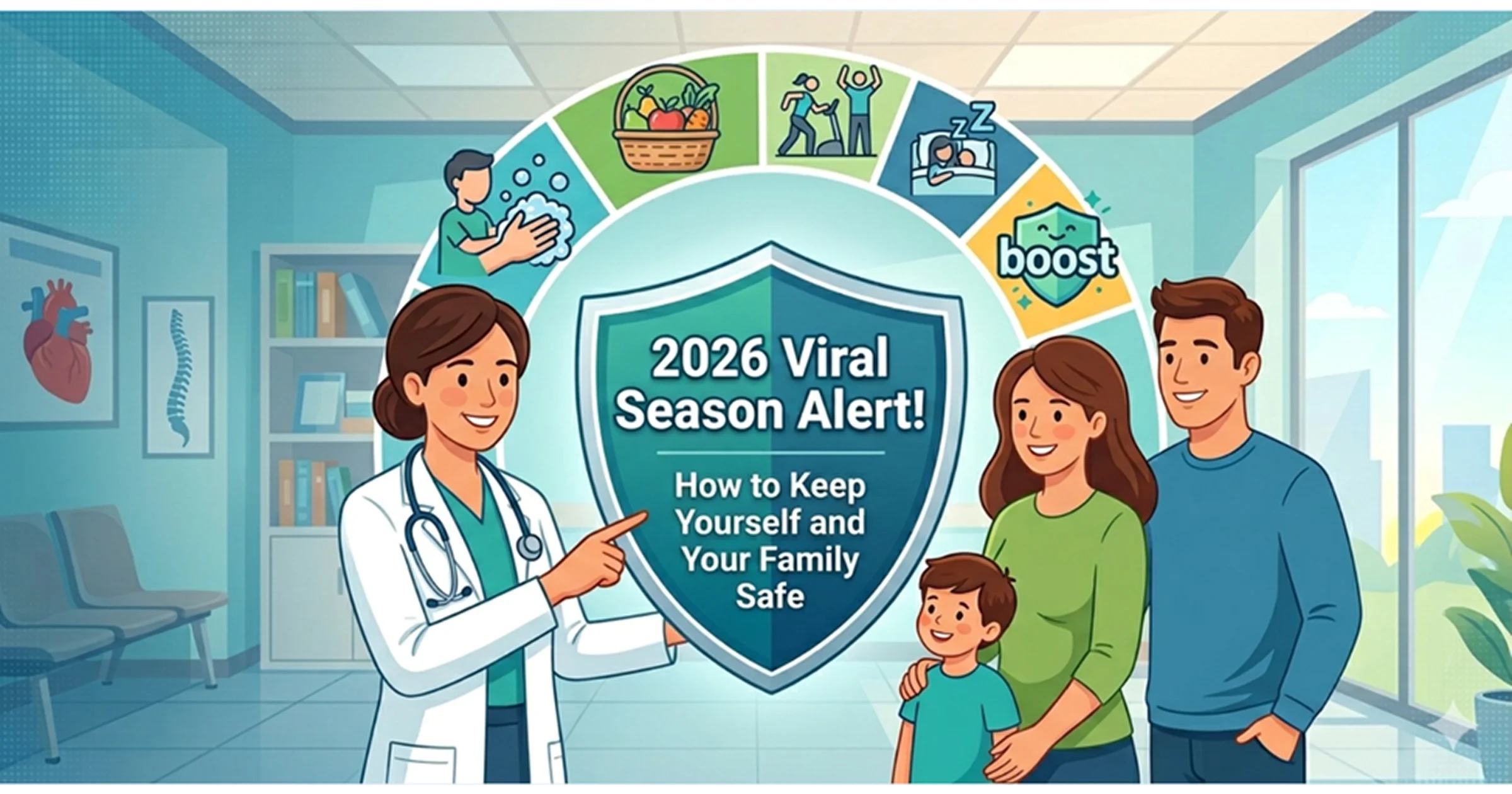

2026 Viral Season Alert ! Here’s How to Keep Yourself and Your Family Safe

Introduction
“Every winter, I see patients who mistake flu for a simple cold until it gets serious.” This is something that repeats every year in my practice. In 2026, viral infections like flu are no longer restricted to one season. They can affect anyone at any time, especially those with weak immunity or existing lung conditions. What starts as mild fever and body pain can quickly turn into something more serious like pneumonia or severe breathing issues. This is why awareness and timely action are extremely important.
What Really Causes the Flu
Flu is caused by influenza viruses, mainly Influenza A and Influenza B. These are different from the viruses that cause a common cold. Influenza spreads very quickly through droplets when an infected person coughs, sneezes, or even talks. This makes it highly contagious in crowded environments such as offices, schools, and public transport.
Cold vs Flu: Know the Difference
Many people confuse cold and flu, which delays proper treatment. A common cold usually develops slowly and stays mild, with symptoms like a runny nose and slight throat irritation. Flu, on the other hand, starts suddenly with high fever, severe body aches, extreme fatigue, and weakness. Recovery from flu also takes longer and can leave a person feeling exhausted for several days.
Why Some People Get Hit Harder
Not everyone experiences flu in the same way. Certain groups are more vulnerable to complications. This includes elderly individuals, young children, pregnant women, and patients with chronic conditions like asthma, COPD, or diabetes. For these individuals, flu can become serious very quickly and may require medical attention.
Flu Complications When It Affects the Lungs
Flu directly impacts the respiratory system. If not treated on time, it can lead to pneumonia, worsen asthma or COPD symptoms, and sometimes cause severe breathing problems. In some cases, secondary bacterial infections may also develop, making the condition more complicated.
Myths vs Facts
There are several misconceptions about flu that often mislead people. Many believe that the flu vaccine can cause flu, which is not true. Some think that healthy individuals do not need vaccination, which is also incorrect. Another common myth is that antibiotics can cure flu. Since flu is caused by a virus, antibiotics are not effective unless there is a bacterial infection involved.
Role of Flu Vaccination
Vaccination is the most important step in preventing flu. One key reason why flu vaccines are needed every year is because the virus keeps changing. Health organizations like WHO update vaccine recommendations annually based on circulating strains. Taking the flu vaccine helps reduce the severity of illness, lowers the risk of complications, and prevents hospitalization. Even if a vaccinated person gets infected, the symptoms are usually much milder and recovery is faster.
Immunity Boost and Lifestyle Tips
Maintaining a healthy lifestyle can support your immune system. Getting enough sleep, eating a balanced diet, staying active, and maintaining good hygiene are essential. Washing hands regularly and avoiding unnecessary self medication can help prevent infections.
When to See a Doctor
It is important to seek medical help if symptoms become severe. Signs like persistent high fever, shortness of breath, chest pain, or worsening condition should not be ignored. Early consultation can prevent complications and ensure timely treatment.
Takeaway
Flu is not just a seasonal illness and should not be taken lightly. Understanding the symptoms, taking preventive measures, and getting vaccinated on time can make a big difference. Protecting yourself also means protecting your family and community. Staying aware and acting early is the key to staying healthy.